

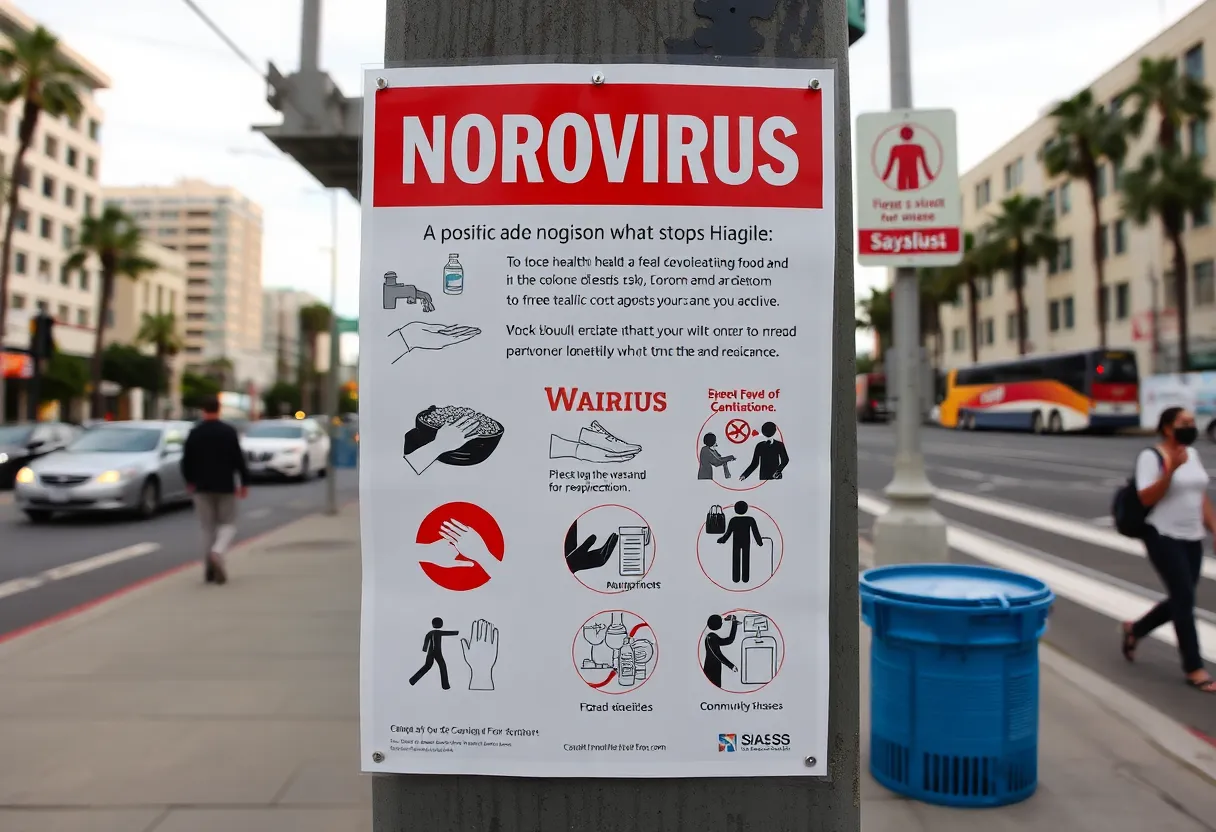
Los Angeles, December 14, 2025
Health officials in Los Angeles County are sounding the alarm over a significant rise in norovirus cases linked to a new, highly contagious strain. The GII.17 strain accounts for a majority of outbreaks this winter, prompting concerns for public health as preparations for the holiday season begin. Residents are urged to remain vigilant and adopt preventive measures to mitigate the spread of this illness, particularly in food service businesses.
Surge in Norovirus Cases: What Los Angeles Residents Need to Know
The emergence of a new strain raises concerns for public health
Los Angeles, CA – Health officials have issued a warning regarding a marked increase in norovirus cases across Southern California, particularly in Los Angeles County. This rise is attributed to a highly contagious new strain, GII.17, and comes just as the winter season approaches, raising fears of further infections in the community.
The ongoing situation underscores the need for community awareness and proactive health measures, especially as small businesses in the food service industry prepare for the holiday season. With the right practices, businesses can not only protect their customers but also position themselves resiliently amidst public health challenges.
Understanding the Norovirus Surge
Recent data indicates a significant uptick in norovirus infections, especially in Los Angeles County and the San Francisco Bay Area. Wastewater monitoring has confirmed a surge, showing an increase in active virus concentrations. The emergence of the GII.17 strain, noted for its increased contagion rate, has made it the dominant variant responsible for approximately 75% of nationwide outbreaks during the current winter season.
Key Characteristics of GII.17
This new strain is reported to facilitate up to a 50% increase in infections compared to prior years. Individuals exposed to norovirus typically experience gastrointestinal symptoms such as vomiting, diarrhea, and stomach pain. Symptoms can manifest 12 to 48 hours post-exposure and generally last for one to three days. Understanding the speed of transmission and embracing preventive strategies is crucial for both personal health and community well-being.
Method of Transmission
Norovirus is notably virulent, spreading through various means including contaminated surfaces, food, water, and direct contact with infected individuals. Due to its ability to survive on surfaces for extended periods, maintaining rigorous hygiene practices becomes essential, particularly for small businesses that handle food regularly.
Preventive Measures for Businesses and Individuals
Health experts emphasize the importance of frequent and thorough handwashing with soap and water, especially before meals or food preparation. While hand sanitizers are convenient, they are less effective against norovirus. Establishing a culture of cleanliness in public spaces and reinforcing sanitization protocols in food-related businesses can dramatically curb outbreaks.
Community Engagement
Local businesses can lead by example by implementing strict hygiene practices and ensuring their staff are well-educated about the virus and its prevention. This proactive approach not only safeguards the health of employees and customers but also reaffirms a commitment to community welfare, a sentiment appreciated by patrons and stakeholders alike.
Identifying At-Risk Populations
While norovirus can affect anyone, certain groups are more vulnerable to severe dehydration due to symptoms like vomiting and diarrhea. Young children, older adults, and those with weakened immune systems are particularly at risk. For these populations, staying hydrated and seeking medical help if symptoms worsen is critical. Communities should be aware and supportive of these individuals, especially in instances of illness spreading during peak seasons.
Conclusion
As Los Angeles navigates this health challenge, staying informed and engaged is key. Community involvement, combined with sound hygiene practices, helps create a resilient atmosphere for local businesses and residents alike. Residents are encouraged to support local eateries and businesses while also taking personal health measures seriously. By fostering an informed community, we can collectively reduce the impact of this viral outbreak and promote a healthier Los Angeles.
Frequently Asked Questions (FAQ)
What is norovirus?
Norovirus is a highly contagious virus that causes acute gastroenteritis, leading to symptoms such as vomiting, diarrhea, and stomach pain. It is the leading cause of vomiting and diarrhea in the U.S.
How does norovirus spread?
Norovirus spreads through contaminated surfaces, food, water, or direct contact with an infected person. It can survive on surfaces for weeks, making thorough disinfection crucial.
What are the symptoms of norovirus infection?
Symptoms typically begin 12 to 48 hours after exposure and include vomiting, diarrhea, and stomach pain. These symptoms usually last one to three days.
How can I prevent norovirus infection?
Preventive measures include frequent and thorough handwashing with soap and water, especially before eating or preparing food. Using hand sanitizers is less effective against norovirus. Disinfect surfaces that may have been contaminated and avoid preparing food for others when ill.
Who is at risk for severe dehydration from norovirus?
Individuals at higher risk include young children, older adults, and those with weakened immune systems. It’s important for these individuals to stay hydrated and seek medical attention if symptoms persist or worsen.
Key Features of Norovirus Surge in Southern California
| Feature | Details |
|---|---|
| Location | Southern California, particularly Los Angeles County and the San Francisco Bay Area |
| New Strain | GII.17, more contagious than previous variants |
| Symptoms | Vomiting, diarrhea, stomach pain |
| Transmission | Contaminated surfaces, food, water, or direct contact with an infected person |
| Preventive Measures | Frequent handwashing with soap and water, disinfecting surfaces, avoiding food preparation when ill |
| At-Risk Populations | Young children, older adults, individuals with weakened immune systems |
Deeper Dive: News & Info About This Topic
HERE Resources

Author: STAFF HERE LOS ANGELES WRITER
The LOS ANGELES STAFF WRITER represents the experienced team at HERELosAngeles.com, your go-to source for actionable local news and information in Los Angeles, Los Angeles County, and beyond, specializing in "news you can use" with coverage of product reviews for personal and business needs, local business directories, politics, real estate trends, neighborhood insights, and state news affecting the area—with deep expertise from years of dedicated reporting and strong community input, including local press releases and business updates, while delivering top reporting on high-value events like the Academy Awards, LA Auto Show, and Los Angeles Marathon, extending coverage to key organizations such as the Los Angeles Area Chamber of Commerce and the Los Angeles Tourism & Convention Board, plus leading businesses in entertainment and technology like Warner Bros. and SpaceX, and as part of the broader HERE network including HEREAnaheim.com , HERECostaMesa.com , HEREHuntingtonBeach.com , and HERESantaAna.com , providing comprehensive, credible insights into Southern California's dynamic landscape. HERE Anaheim HERE Beverly Hills HERE Coronado HERE Costa Mesa HERE Hollywood HERE Huntington Beach HERE Long Beach HERE Los Angeles HERE Mission Viejo HERE San Diego HERE Santa Ana