

Los Angeles, January 14, 2026
The Los Angeles County Board of Supervisors has unanimously approved a motion to create ‘ICE-free zones’ on county-owned properties, which prohibits federal immigration enforcement agents from operating without explicit authorization. The initiative aims to protect public spaces from unauthorized civil law enforcement, ensuring safety for the county’s large immigrant population. The motion addresses concerns over past incidents of federal enforcement in public areas and reflects a broader trend among local jurisdictions to assert control over their properties.
Los Angeles County Establishes ‘ICE-Free Zones’ on Government Property
Los Angeles, CA – The Los Angeles County Board of Supervisors has taken a decisive step in the ongoing debate over immigration enforcement by unanimously approving a motion to create “ICE-free zones” on county-owned properties. This decision effectively bars federal immigration enforcement agents from utilizing these spaces for activities such as staging, processing, or operations unless they receive explicit authorization. The intent behind this motion is to protect public areas from unauthorized civil immigration enforcement.
Overview of the Motion
Introduced by Supervisor Lindsey P. Horvath and co-authored by Chair Hilda L. Solis, the motion directs the County Counsel to draft an ordinance within 30 days. The proposed ordinance will:
- Prohibit the use of county-owned and county-controlled properties for unauthorized civil law enforcement activities, including civil immigration enforcement.
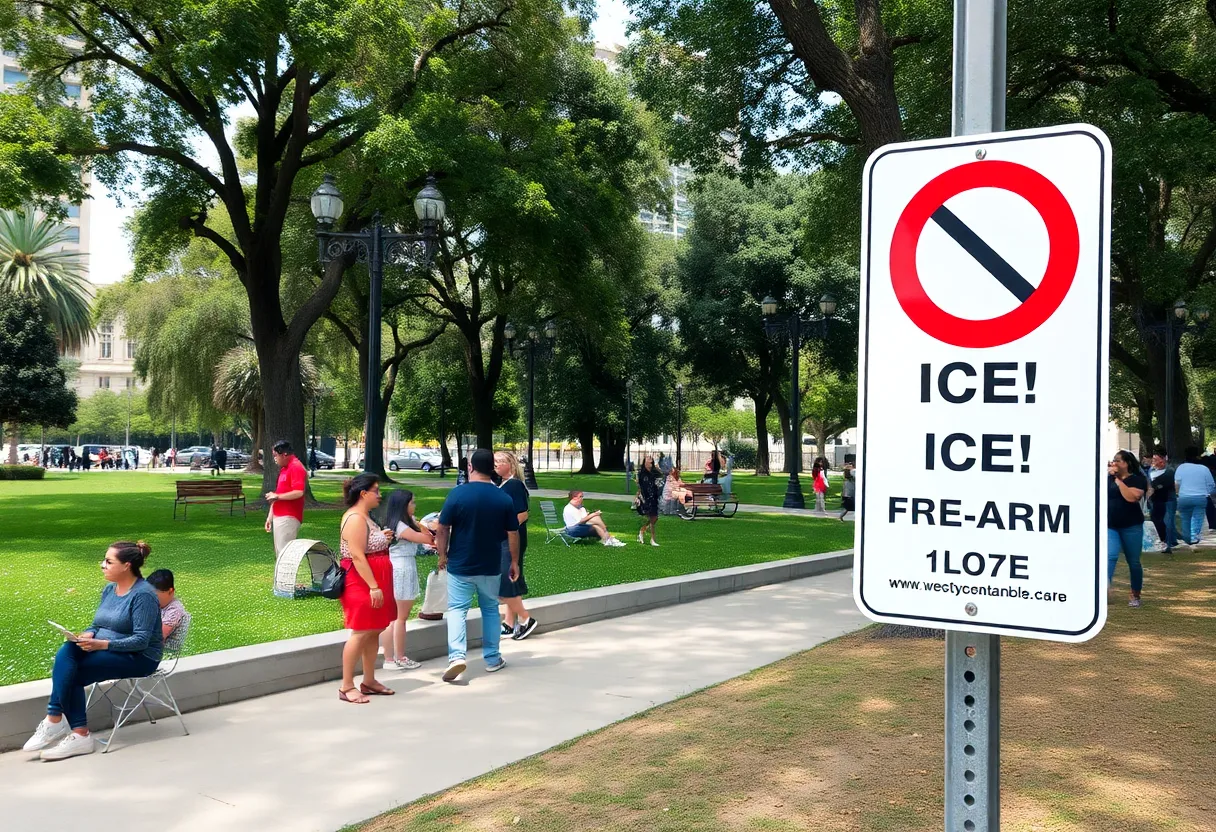
- Implement clear signage on county properties to indicate that they cannot be used for unauthorized civil law enforcement.
- Establish a permit process for civil enforcement operations, with exceptions for exigent circumstances and valid judicial warrants.
- Ensure that lawful criminal law enforcement and valid judicial warrants are preserved.
This move emphasizes a local approach to a national issue, demonstrating the Board’s commitment to maintaining a safe and welcoming environment, particularly for the county’s large immigrant population, which numbers roughly 800,000 undocumented individuals.
Context Surrounding the Initiative
The motion is part of a broader narrative shaped by recent incidents involving federal immigration enforcement in public spaces—most notably an operation conducted at Deane Dana Friendship Park in October 2025. Such actions disrupted local operations and compromised public access, raising concerns about the appropriateness of civil immigration enforcement in community spaces. The push for “ICE-free zones” aligns Los Angeles with other jurisdictions, such as Chicago and Santa Clara County, which have enacted similar policies in the past. This trend reflects growing local government efforts to assert control over their properties and protect residents from federal immigration enforcement actions.
Evaluating the Impact on Federal Funding
While the ordinance seeks to protect public spaces, it may also have ramifications for federal funding. The federal government has indicated a willingness to withhold funds from jurisdictions that limit cooperation with immigration enforcement. However, legal precedents exist; in August 2025, a federal judge temporarily blocked the Trump administration’s attempts to cut funding from numerous sanctuary jurisdictions, including Los Angeles County. This background suggests that while challenges may arise, the county is poised to defend its move to establish “ICE-free zones,” affecting both local governance and funding dynamics.
The Greater Economic Picture
The creation of “ICE-free zones” can potentially enhance community stability, fostering an environment where local businesses can thrive free from the concerns associated with federal enforcement actions. A safe, welcoming public atmosphere encourages entrepreneurial innovation, as immigrants contribute significantly to the economy as workers, entrepreneurs, and consumers. Consequently, this initiative could serve as a foundation for improved economic growth and community development across Los Angeles County.
Community Response and Future Considerations
Community reactions to the resolution have been mixed. Many residents, especially those in immigrant communities, view the initiative as a protective measure, assuring them that public spaces remain accessible and safe. Conversely, critics express concern about the ramifications for law enforcement effectiveness and potential backlash from federal authorities. The county’s ability to navigate these complex challenges will require balancing local values with the realities of federal oversight.
Frequently Asked Questions (FAQ)
What are “ICE-free zones”?
“ICE-free zones” are designated areas where federal immigration enforcement agents are prohibited from conducting activities such as staging, processing, or operations without explicit authorization. These zones aim to protect public spaces from unauthorized civil immigration enforcement.
Why is Los Angeles County establishing “ICE-free zones”?
The county is establishing “ICE-free zones” to prevent federal immigration enforcement agents from using county-owned properties as staging areas, processing locations, or operational bases for civil immigration enforcement without authorization. This measure aims to safeguard public spaces from unauthorized civil immigration enforcement.
What does the approved motion entail?
The motion directs the County Counsel to draft an ordinance within 30 days that would prohibit the use of county-owned and county-controlled properties for unauthorized civil law enforcement activities, require clear signage on county properties indicating that they cannot be used for unauthorized civil law enforcement, establish a permit process for civil enforcement operations, and preserve lawful criminal law enforcement and the execution of valid judicial warrants.
What incidents prompted this initiative?
The initiative follows incidents involving federal immigration enforcement in public spaces, including an operation at Deane Dana Friendship Park and Nature Center in San Pedro in October 2025, which disrupted public access and interfered with county operations, and the recent fatal shooting of 37-year-old Renee Good by a federal immigration agent in Minnesota.
How might this affect federal funding?
The ordinance may have significant implications for federal funding, as the federal government has previously threatened to withhold funding from jurisdictions that limit cooperation with federal immigration enforcement. However, legal challenges have arisen, and in August 2025, a federal judge in San Francisco blocked the Trump administration from cutting funding to more than 34 sanctuary jurisdictions, including Los Angeles County. The outcome of potential federal litigation remains uncertain, and the county is prepared to defend its decision to establish “ICE-free zones” on its properties.
Key Features of the “ICE-Free Zones” Initiative
| Feature | Description |
|---|---|
| Prohibited Activities | Federal immigration enforcement agents are prohibited from using county-owned and county-controlled properties for unauthorized civil law enforcement activities, including staging, processing, or operations for civil immigration enforcement without explicit authorization. |
| Signage Requirements | County properties will display clear signage indicating that they cannot be used for unauthorized civil law enforcement, ensuring public awareness of the “ICE-free” status. |
| Permit Process | A permit process will be established for civil enforcement operations, except in exigent circumstances or when holding judicial warrants, to regulate and monitor federal immigration enforcement activities on county properties. |
| Preservation of Lawful Enforcement | The ordinance will preserve lawful criminal law enforcement and the execution of valid judicial warrants, ensuring that legitimate law enforcement activities are not hindered. |
| Legal Preparedness | The county is prepared to defend its decision to establish “ICE-free zones” on its properties, acknowledging potential federal litigation and the risk of losing federal funding. |
Deeper Dive: News & Info About This Topic
HERE Resources

Author: STAFF HERE LOS ANGELES WRITER
The LOS ANGELES STAFF WRITER represents the experienced team at HERELosAngeles.com, your go-to source for actionable local news and information in Los Angeles, Los Angeles County, and beyond, specializing in "news you can use" with coverage of product reviews for personal and business needs, local business directories, politics, real estate trends, neighborhood insights, and state news affecting the area—with deep expertise from years of dedicated reporting and strong community input, including local press releases and business updates, while delivering top reporting on high-value events like the Academy Awards, LA Auto Show, and Los Angeles Marathon, extending coverage to key organizations such as the Los Angeles Area Chamber of Commerce and the Los Angeles Tourism & Convention Board, plus leading businesses in entertainment and technology like Warner Bros. and SpaceX, and as part of the broader HERE network including HEREAnaheim.com , HERECostaMesa.com , HEREHuntingtonBeach.com , and HERESantaAna.com , providing comprehensive, credible insights into Southern California's dynamic landscape. HERE Anaheim HERE Beverly Hills HERE Coronado HERE Costa Mesa HERE Hollywood HERE Huntington Beach HERE Long Beach HERE Los Angeles HERE Mission Viejo HERE San Diego HERE Santa Ana