

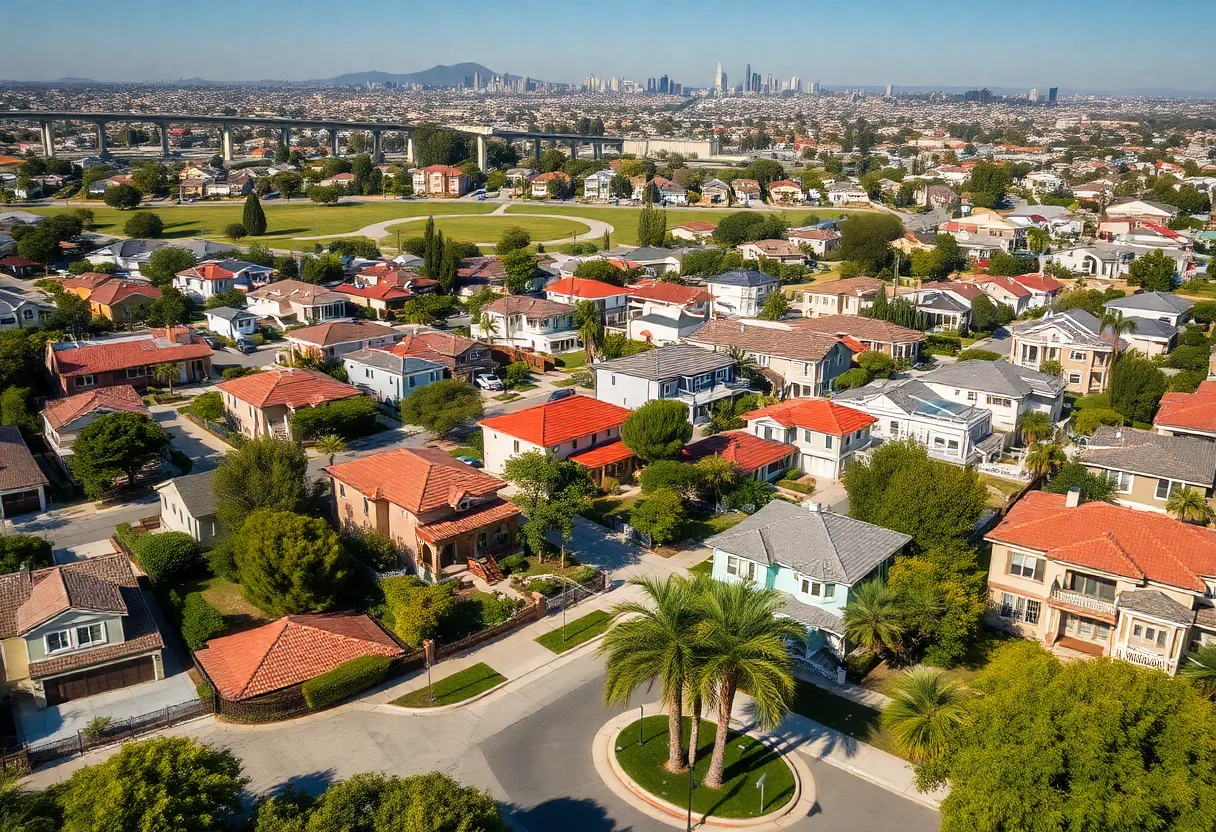
How to Leverage Los Angeles Neighborhood Trends to Enhance Your Home Buying Experience
Introduction
Los Angeles’s real estate market is dynamic, with neighborhood trends constantly evolving. Understanding these trends is essential for prospective homebuyers aiming to make strategic decisions. By analyzing current and projected neighborhood behaviors, buyers can align their purchasing strategies with areas poised for growth, affordability, or lifestyle benefits. This guide provides a comprehensive overview of how to leverage neighborhood trends in Los Angeles to optimize your home buying journey.
Understanding Key Neighborhood Trends in Los Angeles
1. Demographic Shifts
Population changes greatly influence neighborhood desirability. Young professionals, families, and retirees each gravitate toward specific communities based on amenities, affordability, and lifestyle. For instance, areas attracting younger demographics may exhibit robust growth in amenities and nightlife, impacting future property values.
2. Development and Infrastructure Projects
New transport links, commercial developments, and public amenities can significantly increase neighborhood appeal. Projects such as new metro lines, infrastructure upgrades, or commercial hubs typically lead to increased property demand and appreciation.
3. Gentrification Patterns
Gentrification drives changes in affordability, culture, and real estate values. Recognizing neighborhoods in early stages of gentrification can offer investors and homebuyers the chance for appreciation, but also requires awareness of potential challenges such as community displacement.
4. Market Pricing Trends
Tracking median home prices, rent growth, and inventory levels helps identify neighborhoods with upward or stabilizing value trends. These indicators can guide buyers toward areas with high growth potential or more stable markets suitable for long-term residence.
Analyzing Neighborhood Data for Strategic Home Buying
1. Use Local Market Reports
Regularly review detailed market reports. These include data on sales volume, price Appreciations, and inventory levels. Outperforming neighborhoods often demonstrate consistent sales growth coupled with moderate inventory, indicating high demand.
2. Monitor Infrastructure Developments
Upcoming projects influence neighborhood trajectories. Research future development plans, including public transit expansions, schools, parks, and commercial centers. Such developments typically translate into increased property values and enhanced quality of life.
3. Evaluate Demographic and Socioeconomic Data
Assess demographic trends—age groups, income levels, and household compositions. Neighborhoods experiencing influxes of young professionals or families may indicate ongoing desirability, with potential for appreciation and community vibrancy.
4. Follow Local Policy and Zoning Changes
Policy adjustments can impact property values and neighborhood character. For example, rezoning for commercial or multifamily housing often increases density and potential demand, affecting future home prices.
Applying Neighborhood Trends to Your Home Purchase Strategy
1. Prioritize Emerging Neighborhoods
Areas in early stages of growth or gentrification may present more affordable entry points with greater appreciation potential. Conduct due diligence to confirm sustainability of growth and community stability before committing.
2. Focus on Transit-Oriented Development
Proximity to transit hubs boosts accessibility, reduces commute times, and often correlates with faster property appreciation. Identify neighborhoods with planned or existing transit infrastructure.
3. Consider Lifestyle and Community Factors
Beyond market data, evaluate neighborhood attributes such as safety, schools, amenities, and cultural vibrancy. These factors influence long-term desirability and health of property investments.
4. Leverage Data on Future Projects
Investments in infrastructure and commercial development often precede property value increases. Timing your purchase to align with these developments can maximize appreciation.
Integrating Neighborhood Trends with Personal Finance Goals
1. Set Realistic Budget Expectations
Factor in current and projected neighborhood values. Recognize that some trending neighborhoods may command higher prices, but also offer higher appreciation potential. Balance your budget with desired growth prospects.
2. Evaluate Long-Term Appreciation Versus Short-Term Gains
Identify whether your goal is immediate affordability or long-term wealth building. Neighborhoods in early growth phases may require patience but yield significant gains over time.
3. Account for Market Volatility
In a market with rapid trends, prices can fluctuate. Diversify your strategies and avoid overextending in rapidly appreciating neighborhoods unless your financial situation permits sustained investment risk.
Utilizing Professional Resources and Local Expertise
1. Collaborate with Knowledgeable Agents
Choose real estate professionals with deep understanding of local neighborhood dynamics. Their insights can help identify trend patterns before they become mainstream.
2. Attend Community Engagements and Local Events
Active involvement in community activities provides qualitative insights into neighborhood changes, upcoming developments, and community sentiment—valuable for making informed decisions.
3. Leverage Data Analytics Tools
Employ advanced tools that analyze real estate data and demographic shifts. These technical resources can reveal hidden opportunities aligned with underlying neighborhood trends.
Mitigating Risks and Challenges
1. Beware of Overhyped Neighborhoods
Areas experiencing short-term hype may be prone to price corrections. Verify fundamental growth indicators before committing.
2. Understand Community Transition Phases
Gentrification and development can lead to community pushback, affecting market stability. Consider the social implications and resilience of the neighborhood.
3. Stay Informed on Policy Changes
Local regulations, zoning laws, and development incentives can dramatically alter a neighborhood’s trajectory. Continuous monitoring is crucial for adaptive decision-making.
Conclusion
Leveraging neighborhood trends in Los Angeles requires a combination of data analysis, community understanding, and strategic foresight. By maintaining a keen awareness of demographic shifts, infrastructure developments, and market indicators, homebuyers can make informed investment choices. Integrating these insights with personal financial goals allows for a more targeted and potentially rewarding home buying experience.
As Los Angeles continues to evolve, staying proactive and well-informed ensures that your home purchase aligns with both current opportunities and future growth prospects. Ultimately, a disciplined approach rooted in neighborhood trend analysis can lead to financial stability, lifestyle satisfaction, and long-term appreciation.

Author: STAFF HERE LOS ANGELES WRITER
The LOS ANGELES STAFF WRITER represents the experienced team at HERELosAngeles.com, your go-to source for actionable local news and information in Los Angeles, Los Angeles County, and beyond, specializing in "news you can use" with coverage of product reviews for personal and business needs, local business directories, politics, real estate trends, neighborhood insights, and state news affecting the area—with deep expertise from years of dedicated reporting and strong community input, including local press releases and business updates, while delivering top reporting on high-value events like the Academy Awards, LA Auto Show, and Los Angeles Marathon, extending coverage to key organizations such as the Los Angeles Area Chamber of Commerce and the Los Angeles Tourism & Convention Board, plus leading businesses in entertainment and technology like Warner Bros. and SpaceX, and as part of the broader HERE network including HEREAnaheim.com , HERECostaMesa.com , HEREHuntingtonBeach.com , and HERESantaAna.com , providing comprehensive, credible insights into Southern California's dynamic landscape. HERE Anaheim HERE Beverly Hills HERE Coronado HERE Costa Mesa HERE Hollywood HERE Huntington Beach HERE Long Beach HERE Los Angeles HERE Mission Viejo HERE San Diego HERE Santa Ana