

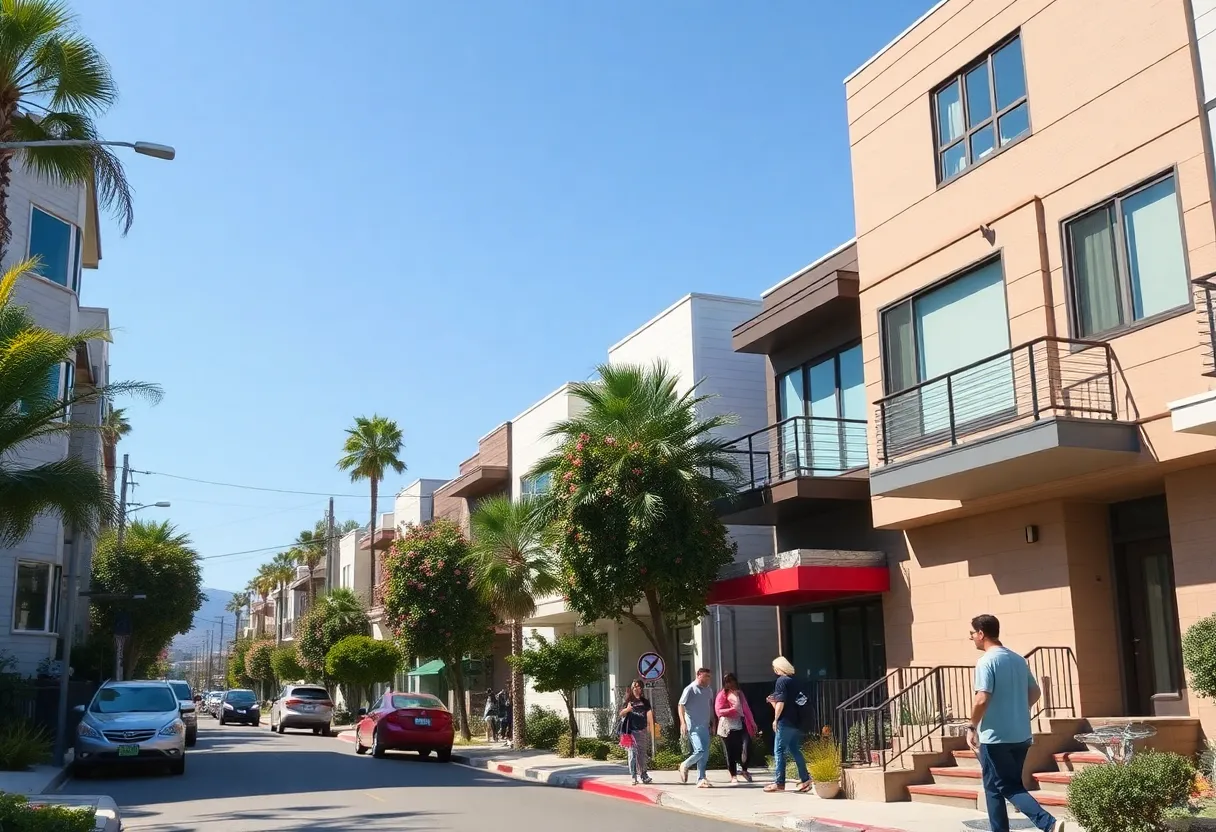
How to Leverage Los Angeles Neighborhood Trends to Enhance Your Home Buying Experience
The Los Angeles housing market remains one of the most dynamic and diverse markets in the nation.
Staying ahead requires strategic insight into neighborhood trends.
By understanding and leveraging these shifts, prospective buyers can make more informed decisions and secure properties that align with their long-term goals.
This article delves into how buyers can interpret neighborhood trends in Los Angeles and use that knowledge to optimize their home buying process.
Understanding Neighborhood Trends in Los Angeles
Neighborhood trends refer to changes in real estate valuation, demographic shifts, infrastructure development, amenities, and social dynamics within specific locales.
Recognizing these patterns can reveal upcoming hotspots, areas with stagnating or declining values, and neighborhoods poised for growth.
The complexity of Los Angeles’s fabric necessitates a nuanced approach, considering both macroeconomic factors and hyperlocal developments.
Key Indicators of Neighborhood Trends
- Real Estate Price Trajectories: Examining recent sales data reveals whether property values are appreciating, stagnating, or declining.
Consistent growth indicates strong demand or infrastructure investments. - Development Activity: New commercial, residential, or infrastructural projects often signal future growth areas.
These developments increase accessibility and amenities, driving up property values. - Demographic Shifts: Changes in population age, income, family composition, or cultural demographics influence local culture and demand.
- Urban Planning & Zoning Policies: Policy shifts can open new opportunities or pose restrictions that influence neighborhood desirability.
Understanding current plans is vital. - Community Amenities & Infrastructure: Proximity to schools, parks, transit hubs, and retail improves quality of life and property appeal.
- Market Sentiment & Media Buzz: Popular narratives or perceptions can temporarily inflate neighborhood desirability.
Recognize the difference between perception and fundamental value.
Conducting a Neighborhood Analysis
To effectively leverage neighborhood trends, buyers must develop a rigorous analysis approach.
This process involves synthesizing data points into actionable insights.
Steps for a Robust Neighborhood Analysis
- Gather Historical Data: Track property sale prices over the past 5-10 years.
This uncovers growth patterns and cyclical behaviors. - Monitor New Developments and Infrastructure Projects: Check city planning boards, local government websites, and community meetings for updates.
- Evaluate Demographics: Use census data and demographic surveys to understand community composition and projected changes.
- Assess Amenities: Identify proximity to transportation, schools, healthcare, retail, and recreational facilities.
- Follow Policy and Zoning Changes: Investigate any upcoming zoning approvals, restrictions, or urban renewal initiatives affecting neighborhoods.
- Engage with Local Residents and Experts: Conversations with community members or local real estate professionals can provide qualitative insights not evident in numbers.
Applying Trend Insights to the Home Buying Process
Insights gained from neighborhood analysis can be applied directly to buying strategies.
The goal is to identify properties in areas with strong growth potential and avoid those on a decline.
Making Data-Driven Decisions
- Identify Emerging Neighborhoods: Look for areas with recent infrastructure investments, increasing property prices, and demographic shifts toward desirable groups.
- Timing the Purchase: Buy early in the neighborhood’s growth cycle for maximum appreciation potential.
Recognize that properties in emerging areas may also have higher risk and less established communities. - Prioritize Up-and-Coming Districts: Neighborhoods showing consistent appreciation and positive infrastructure projects tend to provide a strong return on investment.
- Factor in Community Engagement: Active communities often signal long-term stability.
Engagement can also indicate future neighborhood improvements driven by residents.
Mitigating Risks Through Trend Analysis
While trend analysis offers strategic advantages, it is essential to remain cautious.
Overreliance on short-term buzz or media-driven hype can lead to overpaying or investing in a neighborhood that later stagnates.
Always cross-reference qualitative insights with quantitative data to mitigate these risks.
Utilizing Technology and Data Tools for Trend Monitoring
Modern homebuyers should leverage technology to stay ahead of neighborhood trends.
Several tools facilitate real-time data collection and analysis, enabling proactive decision-making.
Key Tools and Techniques
- Real Estate Analytics Platforms: Offer access to sale prices, price per square foot, inventory levels, and market heat maps.
- GIS Mapping Tools: Visualize infrastructure projects, demographic shifts, and transit plans geographically.
- Local Government & Planning Websites: Stay informed about zoning changes, upcoming developments, and urban planning initiatives.
- Real Estate Apps with Trend Alerts: Customize notifications for new listings, price adjustments, or neighborhood news.
- Community Forums & Social Media: Gather insights from residents, neighborhood groups, and local professionals.
Strategic Approaches to Neighborhood Investment
Beyond individual property selection, understanding neighborhood trends informs broader investment strategies.
Long-Term vs. Short-Term Goals
Align the analysis with your investment horizon.
If aiming for quick appreciation, focus on emerging neighborhoods with rapid development.
For stability and consistent appreciation, target established areas showing signs of renewal and sustainability.
Balanced Portfolio Diversification
Leverage neighborhood insights to diversify across different Los Angeles districts.
This approach mitigates risk associated with localized downturns or unforeseen developments.
Case Examples of Neighborhood Trend Leveraging
While specific case studies are outside the scope of this article, the general principle involves tracking significant indicators in neighborhoods like Downtown LA, Koreatown, Echo Park, and Marina del Rey.
Buyers who recognized early signs of gentrification or infrastructure investments capitalized on appreciation.
Conversely, neighborhoods experiencing decline or stagnation often signal the need to exercise caution or wait for stabilization.
Conclusion: Strategic, Informed Home Buying in Los Angeles
Effectively leveraging neighborhood trends transforms the complex Los Angeles market from a challenge into an opportunity.
Success hinges on diligent analysis, technological tools, and a clear understanding of market indicators.
Buyers who implement these strategies earn a competitive edge, securing homes that not only fit their current needs but also appreciate in value over time.
Remember, informed decision-making is paramount to maximizing the benefits of Los Angeles’s dynamic neighborhoods.

Author: STAFF HERE LOS ANGELES WRITER
The LOS ANGELES STAFF WRITER represents the experienced team at HERELosAngeles.com, your go-to source for actionable local news and information in Los Angeles, Los Angeles County, and beyond, specializing in "news you can use" with coverage of product reviews for personal and business needs, local business directories, politics, real estate trends, neighborhood insights, and state news affecting the area—with deep expertise from years of dedicated reporting and strong community input, including local press releases and business updates, while delivering top reporting on high-value events like the Academy Awards, LA Auto Show, and Los Angeles Marathon, extending coverage to key organizations such as the Los Angeles Area Chamber of Commerce and the Los Angeles Tourism & Convention Board, plus leading businesses in entertainment and technology like Warner Bros. and SpaceX, and as part of the broader HERE network including HEREAnaheim.com , HERECostaMesa.com , HEREHuntingtonBeach.com , and HERESantaAna.com , providing comprehensive, credible insights into Southern California's dynamic landscape. HERE Anaheim HERE Beverly Hills HERE Coronado HERE Costa Mesa HERE Hollywood HERE Huntington Beach HERE Long Beach HERE Los Angeles HERE Mission Viejo HERE San Diego HERE Santa Ana