

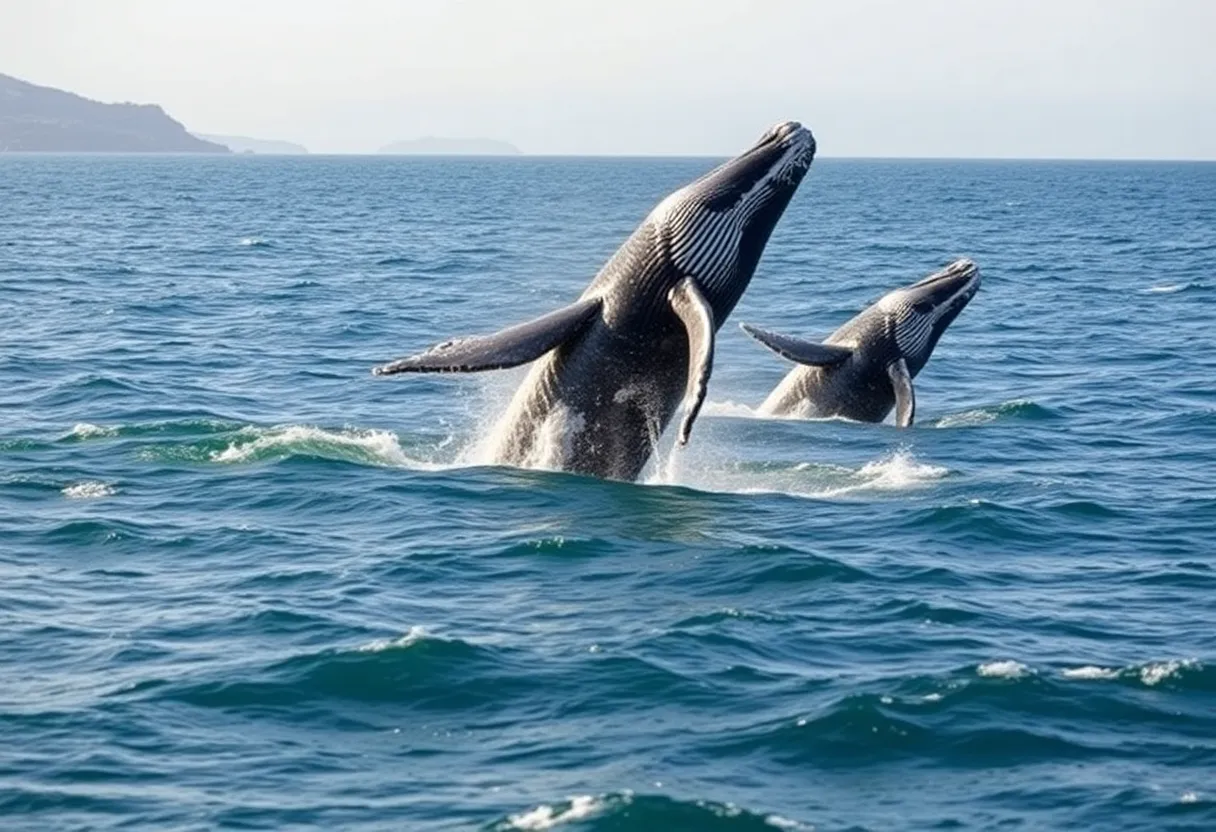
Los Angeles, California, January 9, 2026
Gray whale populations along California are in peril, facing a significant decline due to starvation and changing environmental conditions. The number of gray whales has plummeted by more than half since 2016, leading to alarming stranding rates and low calf production. Conservation efforts are crucial to address these threats and foster recovery for this magnificent species.
Gray Whales Face Starvation Crisis Along California Coast
Los Angeles, California – Gray whale populations along the California coast are facing a severe crisis as reports indicate a dramatic decline in their numbers, attributed to starvation amidst changing environmental conditions. The eastern North Pacific gray whale population has decreased by over half since 2016, with current estimates placing them at approximately 12,950 individuals—the lowest levels since the 1970s.
This alarming situation underscores the interconnectedness of local ecosystems and the importance of taking proactive measures to ensure their health. Entrepreneurs and community leaders in Southern California have the opportunity to come together, promoting innovative solutions to combat environmental threats and sustain local wildlife, all while fostering economic growth.
Understanding the Mortality Event and Stranding Incidents
Between 2019 and 2025, over 1,235 gray whales were reported stranded along the West Coast, a startling rate that is eight times higher than the average from the previous decade. In a particularly concerning year, 2025 saw nearly 50 whales wash ashore, eclipsing the strandings recorded throughout 2024. Such mortality events illuminate the challenges these majestic creatures face in their natural habitat.
Challenges with Calf Production
The future of gray whales is further jeopardized by a significant drop in calf production. Only 85 calves were born in 2025, the lowest in historical monitoring records. This decline indicates that gray whale populations are struggling to adapt to unforeseen shifts in the Arctic ecosystem, which could have lasting implications for their survival.
Climate Change and Food Scarcity
One of the critical factors impacting gray whales is climate change, particularly the loss of Arctic sea ice. This environmental shift has disrupted the availability of under-ice algae, leading to diminished populations of amphipods—the primary food source for gray whales. Compounded by their search for alternative feeding grounds like estuaries, these changes have led to increased conflicts with human activities, such as shipping. Tragically, 2025 saw several instances of gray whales being struck by vessels in San Francisco Bay, further decreasing their population.
Historical Context and Conservation Efforts
Historically, gray whales faced near extinction due to overhunting. However, through concerted conservation efforts, including the Marine Mammal Protection Act of 1972, populations rebounded significantly. This historical success story serves as a reminder of the importance of continued efforts to address ongoing and emerging challenges posed by environmental changes and human activities along the Pacific Coast.
Conclusion
The plight of the gray whales along the California coast is a clarion call for action. Starvation, decreased calf production, and a changing climate present significant threats to their survival. As members of the community, it is incumbent upon us to stay informed and engage in solutions that promote conservation and the sustainable management of our natural resources.
Frequently Asked Questions (FAQ)
What is causing the decline in gray whale populations?
The decline is primarily due to starvation resulting from the loss of Arctic sea ice, which disrupts the availability of under-ice algae and amphipods that gray whales rely on for food. This scarcity forces them to seek alternative feeding grounds, increasing vulnerability to ship strikes.
How many gray whales have stranded along the West Coast recently?
Between 2019 and 2025, at least 1,235 gray whales were found stranded along the West Coast, with nearly 50 in 2025 alone.
What is the current status of gray whale calf production?
Calf production has seen a significant decline, with only 85 calves born in 2025—the lowest number recorded in the monitoring series.
What conservation efforts have been implemented to protect gray whales?
Conservation measures, including the Marine Mammal Protection Act of 1972, have helped increase gray whale populations, but ongoing environmental and human-induced challenges remain a threat.
How does climate change affect gray whale feeding habits?
The loss of Arctic sea ice, linked to climate change, disrupts food availability, leading to increased starvation rates and vulnerability to ship strikes.
Key Features of the Gray Whale Situation
| Feature | Details |
|---|---|
| Population Decline | Over 50% decrease since 2016, approximately 12,950 individuals remaining. |
| Unusual Mortality Event | 1,235 strandings between 2019 and 2025, nearly 50 in 2025 alone. |
| Calf Production | Only 85 calves born in 2025, lowest in monitoring series. |
| Climate Change Impact | Loss of Arctic sea ice disrupts food sources, leading to increased starvation and ship strikes. |
| Conservation Efforts | Marine Mammal Protection Act of 1972 led to population rebound, but current challenges persist. |
Deeper Dive: News & Info About This Topic
HERE Resources

Author: STAFF HERE LOS ANGELES WRITER
The LOS ANGELES STAFF WRITER represents the experienced team at HERELosAngeles.com, your go-to source for actionable local news and information in Los Angeles, Los Angeles County, and beyond, specializing in "news you can use" with coverage of product reviews for personal and business needs, local business directories, politics, real estate trends, neighborhood insights, and state news affecting the area—with deep expertise from years of dedicated reporting and strong community input, including local press releases and business updates, while delivering top reporting on high-value events like the Academy Awards, LA Auto Show, and Los Angeles Marathon, extending coverage to key organizations such as the Los Angeles Area Chamber of Commerce and the Los Angeles Tourism & Convention Board, plus leading businesses in entertainment and technology like Warner Bros. and SpaceX, and as part of the broader HERE network including HEREAnaheim.com , HERECostaMesa.com , HEREHuntingtonBeach.com , and HERESantaAna.com , providing comprehensive, credible insights into Southern California's dynamic landscape. HERE Anaheim HERE Beverly Hills HERE Coronado HERE Costa Mesa HERE Hollywood HERE Huntington Beach HERE Long Beach HERE Los Angeles HERE Mission Viejo HERE San Diego HERE Santa Ana