

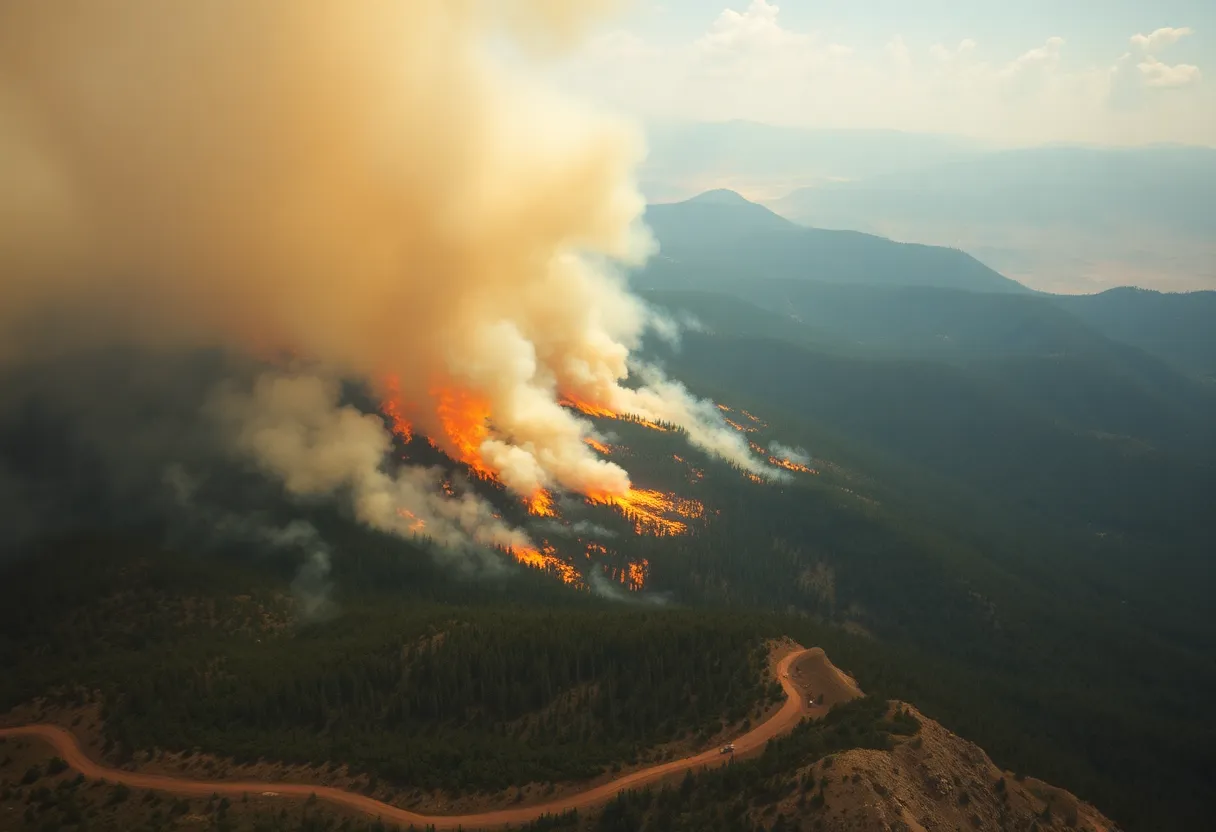
San Luis Obispo, California, January 6, 2026
The Gifford Fire in California has become the largest wildfire of 2025, burning over 131,000 acres across San Luis Obispo and Santa Barbara counties. Starting on August 1, the fire was contained by September 28, resulting in significant destruction and injuries. The community’s resilience and innovative efforts are highlighted as they adapt to the ongoing challenges of drought conditions and wildfire risks.
San Luis Obispo Fire: Gifford Fire Becomes Largest Wildfire of 2025
A Closer Look at the Gifford Fire’s Impact and Challenges
San Luis Obispo, California – The Gifford Fire has become California’s largest wildfire of 2025, scorching over 131,000 acres across San Luis Obispo and Santa Barbara counties. Igniting on August 1, 2025, the blaze was declared 100% contained on September 28, 2025. While the fire led to the destruction of five structures and injuries to 15 firefighters and three civilians, it serves as a stark reminder of the environmental challenges faced in the region.
As Southern California grapples with persistent drought conditions, local entrepreneurs, community leaders, and businesses must adapt and innovate. Initiatives to reduce fire risks and foster resilience can be bolstered with the right support and strategic policies in place, allowing the community to thrive despite these challenges.
Fire Progression and Containment Efforts
The Gifford Fire exploded onto the scene due to a combination of hot, dry, and windy conditions. Within just a few days, the fire consumed approximately 49,761 acres. By August 5, this rose to about 82,567 acres, and by August 8, it reached approximately 104,402 acres—with a containment of only 21%. The situation escalated rapidly, and by August 11, it achieved “megafire” status, surpassing 119,767 acres and becoming California’s largest wildfire of the season with only 33% containment.
In light of the challenging conditions firefighters faced, including steep and inaccessible terrain, persistent efforts were made to increase containment. Weather improvements and focused firefighting strategies allowed containment to rise sharply between late August and early September. By September 5, nearly all resources were dedicated to containing a mapped area of 132,605 acres, at 98% containment.
Community Impact and Emergency Responses
Evacuation orders and warnings were issued, particularly affecting communities like Pozo. Firefighters worked under strenuous conditions, with temperatures exceeding 100 degrees Fahrenheit in mountainous terrains. The fire’s rapid expansion resulted in significant resource mobilization across various firefighting units.
Local entrepreneurs and businesses rallied to support first responders and affected communities, showcasing resilience and commitment to recovery. Some small businesses contributed essential supplies, fostering a sense of community and highlighting the importance of local involvement in times of crisis.
Background of the Incident: Conditions Leading to the Gifford Fire
Several factors contributed to the Gifford Fire’s ferocity, most prominently persistent drought conditions across Southern California. With rainfall totals falling short of 70% of average since the previous winter, both live and dead fuel moisture levels were critically low. This exacerbated the fire’s intensity, particularly with rising temperatures hovering around 95°F despite calmer winds.
The implications of climate change are becoming increasingly evident, and local businesses and community leaders must work together to strategize around these challenges. Emphasizing innovation and adaptability can empower the community to mitigate future wildfire risks effectively.
Tracking Increased Wildfire Activity in 2025
The Gifford Fire was not an isolated incident; prior to it, the Madre Fire had burned over 80,000 acres in San Luis Obispo County and was completely contained by July 26, 2025. Additionally, the TCU September Lightning Complex Fire contributed to heightened wildfire activity, burning 13,869 acres across multiple counties. These incidents clearly depict a trend of increased wildfire occurrences in the state.
Conclusion: A Call for Community Engagement and Strategic Innovation
The Gifford Fire’s progression reflects the pressing need for communities in California to adapt swiftly to environmental challenges while leveraging local innovation. Efforts to boost fire preparedness, adapt policies, and promote resilience can significantly contribute to enhancing the region’s capacity to face unpredictable events like wildfires.
By fostering entrepreneurial spirit and supporting local businesses, Southern California can thrive even in adverse conditions. The Gifford Fire stands as a poignant reminder of the interconnectedness of environmental stewardship, community involvement, and economic growth.
FAQ
What is the Gifford Fire?
The Gifford Fire was a megafire that burned in San Luis Obispo County and Santa Barbara County, California. It began on August 1, 2025, and was declared 100% contained on September 28, 2025. The fire burned 131,614 acres, making it the largest wildfire in California during the 2025 wildfire season. The cause of the fire remains under investigation.
How did the Gifford Fire progress?
The Gifford Fire rapidly expanded due to dry, hot, and windy conditions. Within its first few days, the fire grew to approximately 49,761 acres. By August 5, it had reached about 82,567 acres, and by August 8, the burned area had increased to approximately 104,402 acres, with containment holding at only 21%. Within 24 hours, the burned area surpassed 112,300 acres. On August 11, the fire achieved “megafire” status after igniting over 119,767 acres, becoming California’s largest wildfire of the season. Containment at that time stood at approximately 33%. By mid-August, improved weather and intensified firefighting efforts led to a sharp increase in containment. From August 25 to 31, containment increased from 95% to 97%, with only interior pockets of smoke observed. On September 5, crews held the footprint at 132,605 acres, 98% contained, while continuing mop-up and patrols. By September 12, the fire remained active but was largely held within established lines; CAL FIRE listed the incident at 98% containment with a mapped area of 131,614 acres. Command had been transitioned to Los Padres National Forest operational control, and crews continued mop-up, patrol, and suppression-repair activities while resources were gradually released.
What impact did the Gifford Fire have?
The fire destroyed five structures and damaged two, with 15 firefighters and three civilians reported injured. Evacuation orders and warnings were issued for nearby communities, including Pozo. Firefighters faced challenging conditions, with temperatures climbing above 100 degrees Fahrenheit in mountainous terrain on the Central Coast. The fire’s rapid growth and intensity led to significant resource mobilization, with numerous firefighting units deployed to contain the blaze. The containment efforts were further complicated by the steep and inaccessible terrain, which hindered direct firefighting operations.
What were the contributing factors to the Gifford Fire?
Persistent drought conditions across Southern California compounded the threat. According to Cal Fire’s statewide archive, rainfall totals since the previous winter amounted to less than 70 percent of average, leaving both live and dead fuel moisture at critically low levels. This long-term drying accelerated flammability, while weakened marine layers allowed hot, dry air to dominate inland valleys and foothills. Rising temperatures around 95°F have been present during the fire, despite calmer winds. However, low relative humidity and a red flag warning mostly triggered by the high temperatures have fueled the fire’s growth. The area has received very little precipitation, drying out the abundant grass loads, and coastal moisture has been lowering. The Gifford Fire was one of the largest wildfires in the United States during the 2025 wildfire season, highlighting the ongoing challenges posed by climate change and environmental conditions in wildfire management.
What other significant wildfires occurred in California in 2025?
Prior to the Gifford Fire, the Madre Fire was the largest wildfire in California for 2025, burning over 80,000 acres in San Luis Obispo County. The Madre Fire was fully contained on July 26, 2025. Additionally, the TCU September Lightning Complex Fire burned 13,869 acres across multiple counties, becoming the third-largest wildfire in California during the 2025 season. These incidents underscore the heightened wildfire activity in the state during the year.
Deeper Dive: News & Info About This Topic
HERE Resources
Canyon Fire Forces Evacuations in Los Angeles Area

Author: STAFF HERE LOS ANGELES WRITER
The LOS ANGELES STAFF WRITER represents the experienced team at HERELosAngeles.com, your go-to source for actionable local news and information in Los Angeles, Los Angeles County, and beyond, specializing in "news you can use" with coverage of product reviews for personal and business needs, local business directories, politics, real estate trends, neighborhood insights, and state news affecting the area—with deep expertise from years of dedicated reporting and strong community input, including local press releases and business updates, while delivering top reporting on high-value events like the Academy Awards, LA Auto Show, and Los Angeles Marathon, extending coverage to key organizations such as the Los Angeles Area Chamber of Commerce and the Los Angeles Tourism & Convention Board, plus leading businesses in entertainment and technology like Warner Bros. and SpaceX, and as part of the broader HERE network including HEREAnaheim.com , HERECostaMesa.com , HEREHuntingtonBeach.com , and HERESantaAna.com , providing comprehensive, credible insights into Southern California's dynamic landscape. HERE Anaheim HERE Beverly Hills HERE Coronado HERE Costa Mesa HERE Hollywood HERE Huntington Beach HERE Long Beach HERE Los Angeles HERE Mission Viejo HERE San Diego HERE Santa Ana